

 Round
Round Princess
 Oval
Oval Cushion
 Emerald
 Marquise
 Pear
Pear Radiant
 White Gold
 Yellow Gold
 Rose Gold
 Platinum
 Engagement Rings
 Black Gold
 Tungsten
 Platinum
 Two Tone
 Wedding Rings
 Fine Jewelry
 Diamond Studs
 Silver
 Up To 80% Off
 JAN | Garnet
 FEB | Amethyst
 MAR | Aquamarine
 APR | Diamond
 MAY | Emerald
 JUN | Pearl
 JUL | Ruby
 AUG | Peridot
 SEP | Sapphire
 OCT | Opal
 NOV | Citrine
 DEC | Topaz
 Find The Perfect Gift
 Two Tone
Best Wedding Ring Styles for Active Women Who Work with Their Hands
May 9, 2026
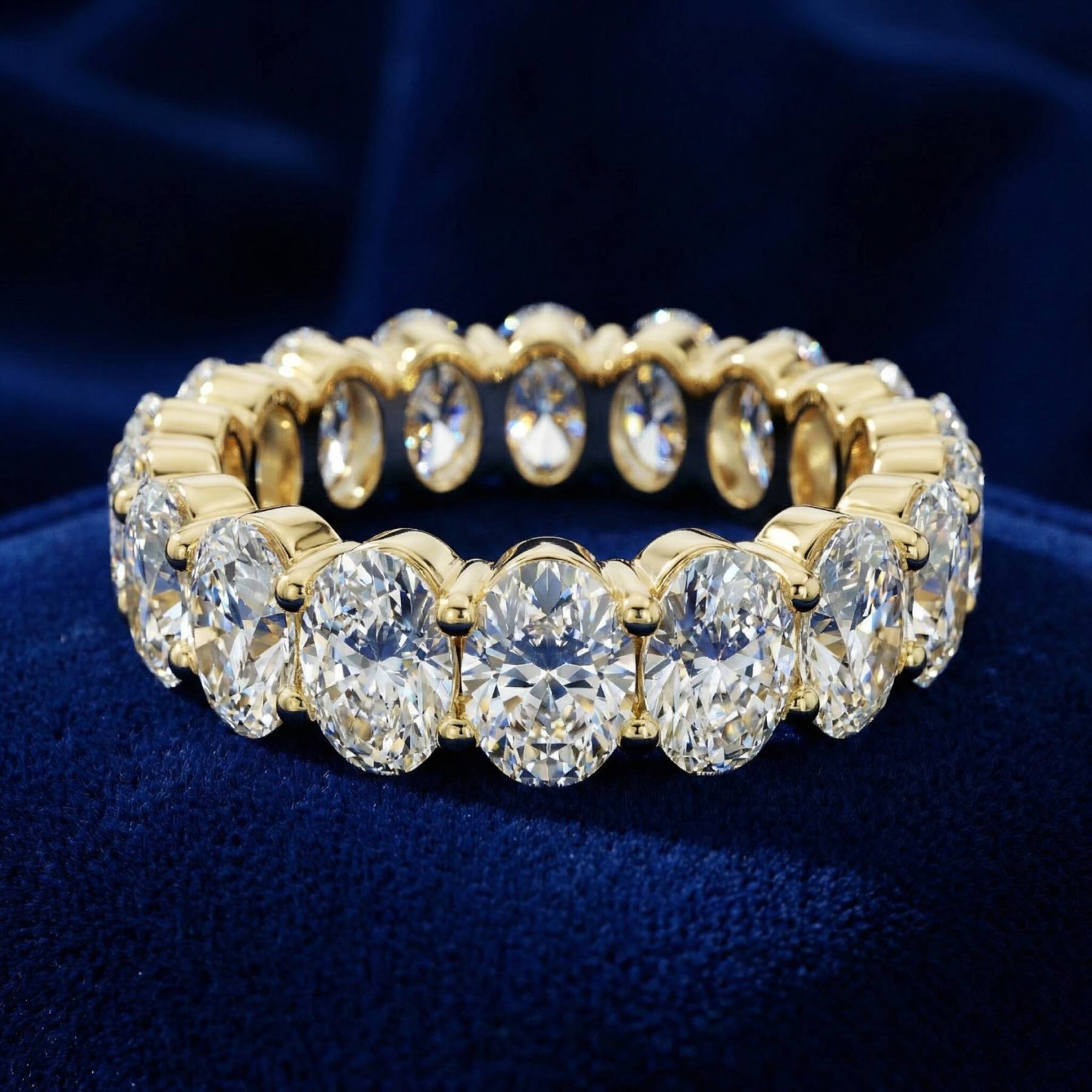
You love your ring. You just need it to survive your day.
Whether you're a nurse pulling gloves on and off every hour, a chef with your hands in prep all morning, a gardener, a mechanic, or a fitness instructor who never really stops moving - your ring goes through things most rings aren't designed for. Prongs catch on gloves. High settings knock against counters. Delicate pavé diamonds loosen under constant grip pressure.
The good news: the right ring style makes all of this a non-issue. Pompeii3, a family-owned diamond jewelry brand designing and selling fine rings directly to customers since 1982, has helped thousands of hands-on women find rings that look beautiful and hold up in real life. This guide breaks down the best wedding ring styles for women who work with their hands - by ring type, by metal, and by profession.
Why Ring Style Matters More Than Ring Price for Active Women
Most wedding ring shopping conversations start with budget and diamond size. For women who work with their hands, those shouldn't be the first questions. The first question should be: will this ring work with my daily life?
A $5,000 ring in a delicate cathedral setting can become a source of constant anxiety for someone who works in healthcare. A $900 ring in a bezel setting can feel like it was made for that same person. Style and setting construction matter more than carat weight when your hands are your livelihood.
The variables that determine durability in a working woman's ring are: the height of the setting (how much it protrudes above the finger), the type of diamond or stone setting, and the metal used in the band. Get those three right, and your ring becomes a daily companion instead of a daily worry.
The 5 Best Wedding Ring Styles for Active Women
1. Bezel Set Wedding Rings
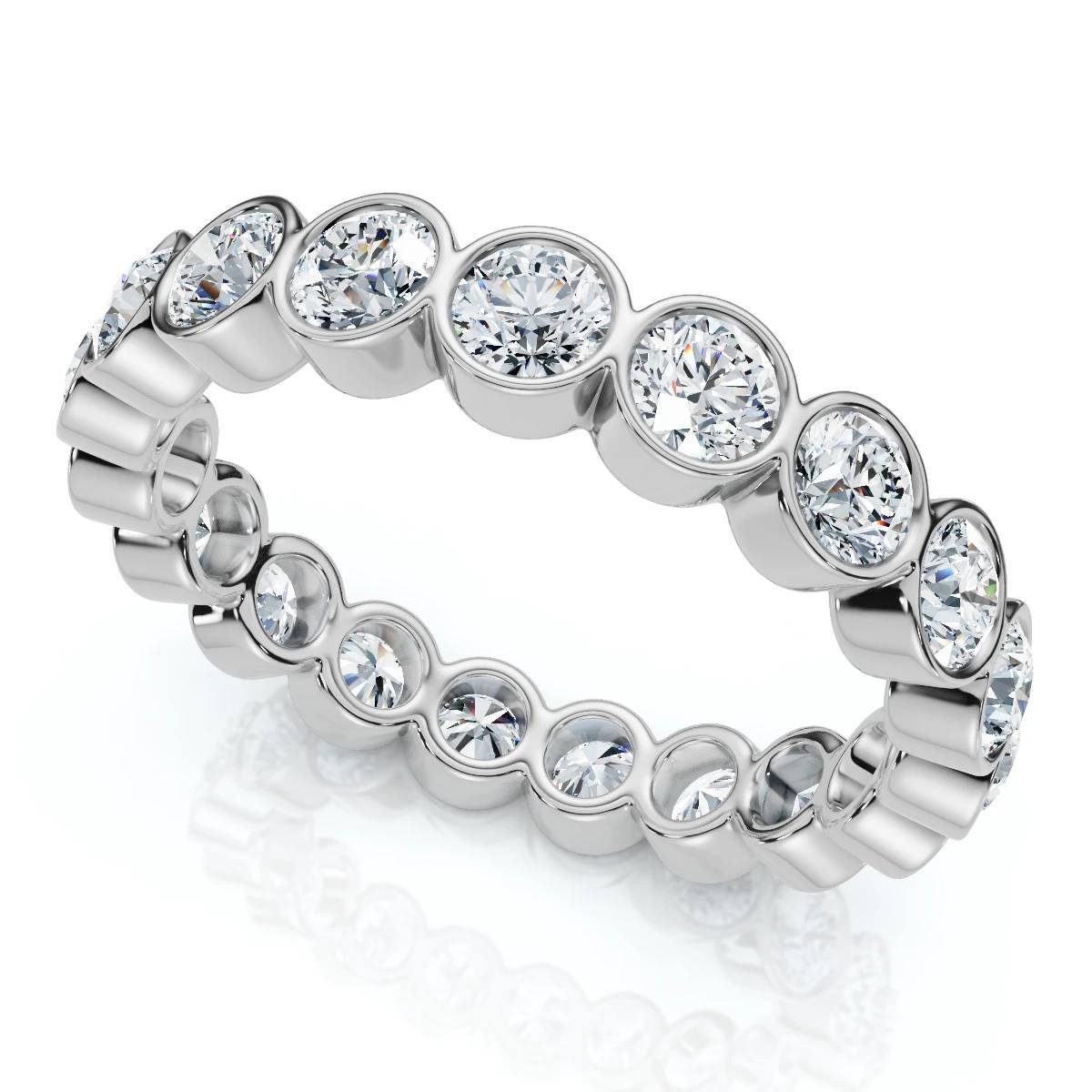
A bezel setting wraps the diamond or gemstone in a continuous collar of metal rather than holding it up with prongs. The stone sits lower, the edges are protected, and there's nothing to catch on gloves, fabric, or equipment.
For women who work with their hands, this is the most practical fine jewelry setting available. The metal rim prevents chips to the diamond's girdle, keeps the stone secure even under regular bump and pressure, and makes the ring easier to clean because debris has nowhere to collect. Healthcare workers in particular gravitate toward bezel settings because the low-profile design fits comfortably under latex and nitrile gloves without stretching or tearing them.
2. Low-Profile Solitaire Bands
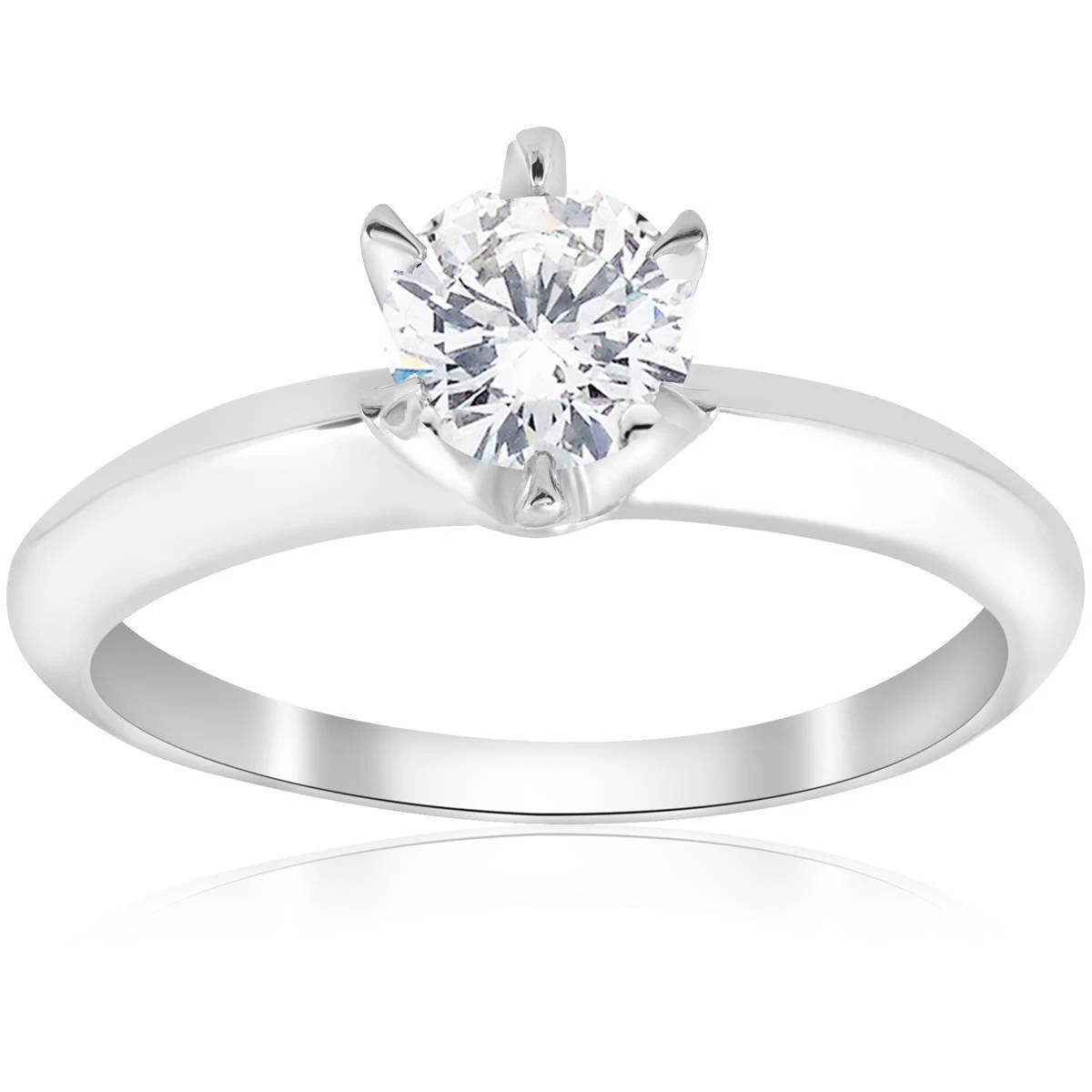
A solitaire setting doesn't automatically mean a high, fragile setting. Low-profile solitaires hold a single diamond in a setting designed to keep the stone close to the finger - often with a six-prong or four-prong basket set back from the diamond's midpoint so the stone doesn't project far above the band.
This style works well for women who want the classic diamond look but need something that won't snag. A low-profile solitaire engagement ring paired with a slim, plain matching band gives you the traditional two-ring combination with far less daily friction than a high-set version.
3. Plain Metal Wedding Bands and Comfort-Fit Designs
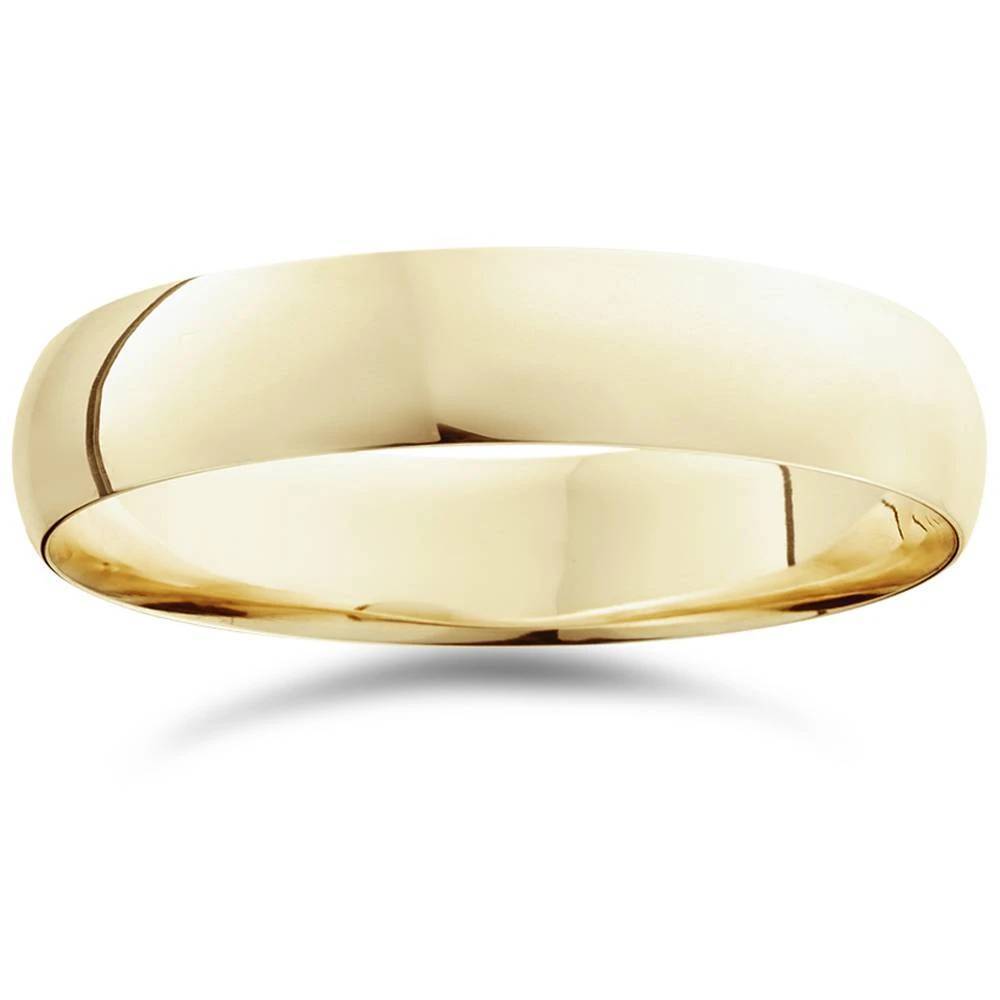
Sometimes the smartest option is the simplest one. A plain wedding band in platinum or 14K gold - no stones, no pavé, no texture that catches - is virtually indestructible for everyday wear. Comfort-fit bands, which have a rounded interior instead of a flat one, reduce friction against the finger during repetitive hand motions and feel better during long shifts or workouts.
Many active women wear their plain band daily and bring out their engagement ring for evenings, weekends, and events. This is a practical rhythm, not a compromise. Your engagement ring stays in better condition; your wedding band carries the symbolic weight of the commitment every day.
4. Half Eternity Bands (Not Full Eternity)
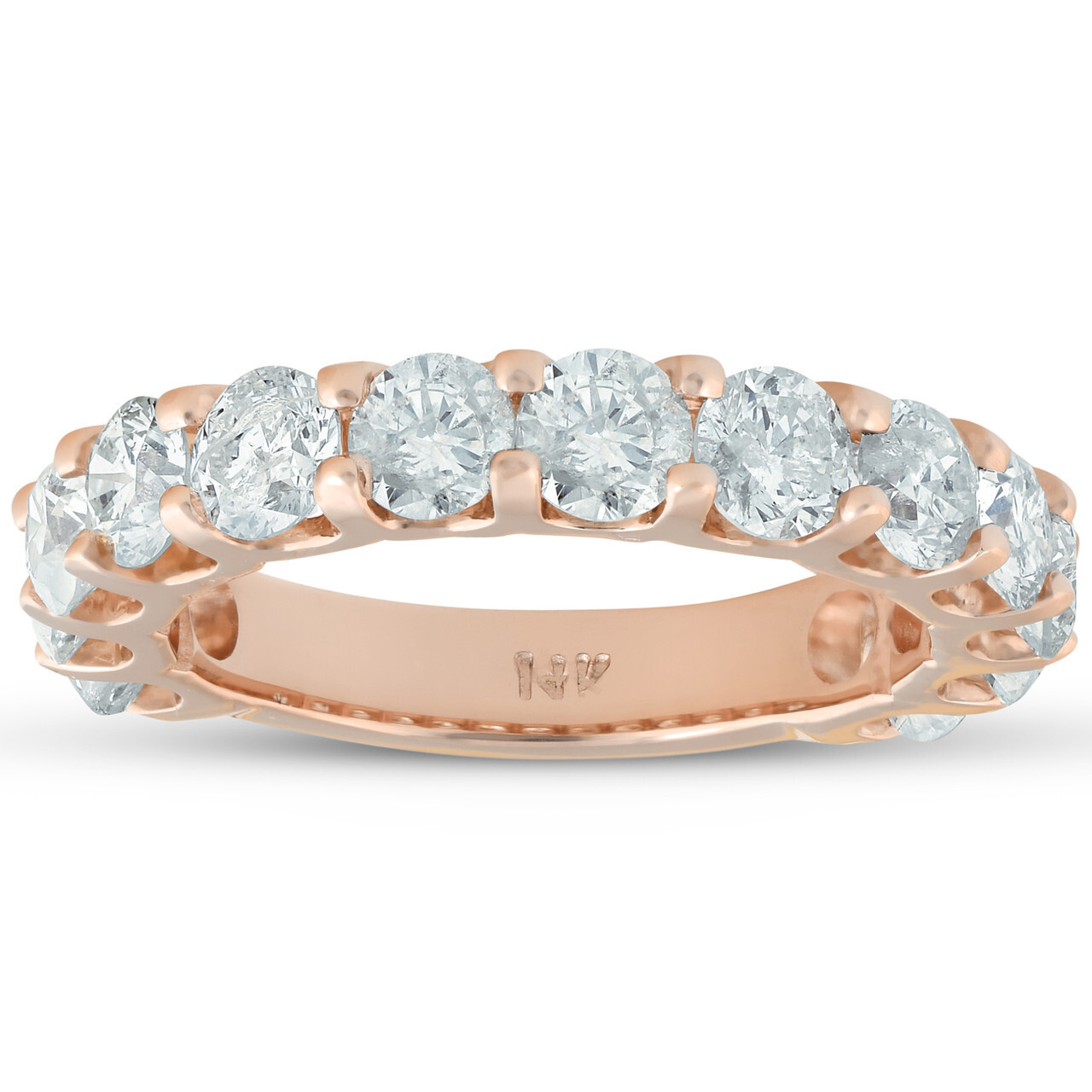
A half eternity band has diamonds set across the top half only, leaving the bottom plain metal. A full eternity band has diamonds all the way around. For hands-on women, half eternity is the better choice - it can be resized if your finger changes, and there are no stones on the underside of the band that can loosen or dig in under grip pressure.
5. Flush and Burnish Set Bands
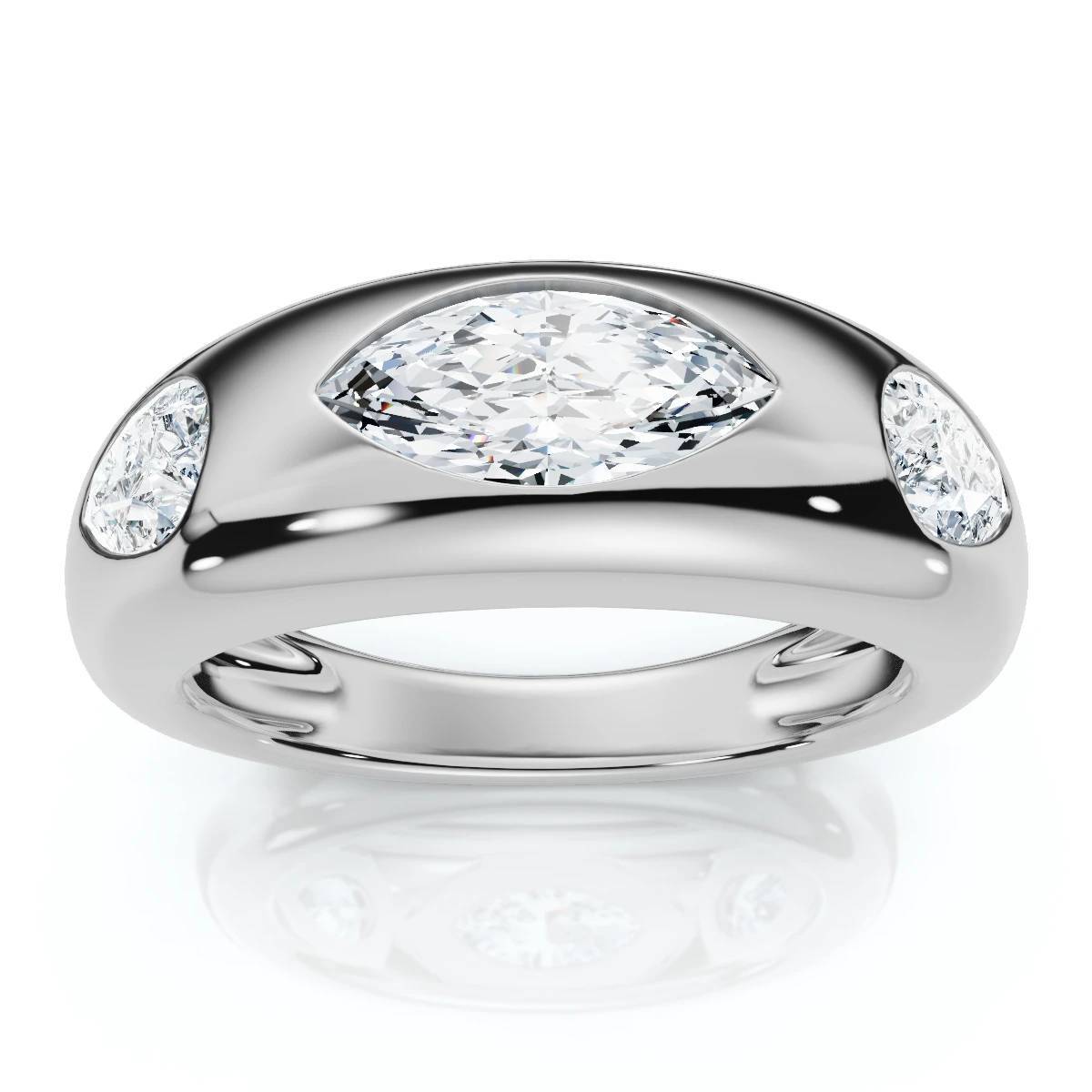
In a flush setting (also called a gypsy or burnish setting), each diamond is set directly into the metal of the band so the stone sits level with the surface. There's no protrusion at all. For women with extremely hands-on professions - think massage therapists, veterinary technicians, or pottery makers - a flush-set band is the most low-maintenance diamond ring possible. It looks clean, it's exceptionally secure, and it requires far less frequent checkups than any prong-based setting.
Which Metals Hold Up Best for Hands-On Women
Platinum is the top choice for durability. It's a dense, heavy metal - when platinum scratches, the metal displaces rather than flakes away, meaning the ring retains its actual weight and material over time. Platinum also develops a natural patina with wear that many women find more beautiful than the original finish. It doesn't need replating the way white gold does.
14K gold is the next best option for durability. Despite being less "pure" than 18K gold, 14K is harder and more scratch-resistant because of its higher alloy content. For women who work with their hands, 14K gold outperforms 18K in everyday wear. It comes in yellow, white, and rose gold, giving you color options that platinum doesn't offer.
White gold requires rhodium plating to maintain its bright white color. That plating wears off over time - faster if you're using your hands intensively. If you choose white gold, budget for replating every one to two years depending on your lifestyle.
What to avoid: Silver and low-karat alloys tarnish, scratch easily, and aren't suitable for fine diamond settings. For a ring you'll wear every day through physical work, platinum or 14K gold are the practical choices.
Ring Recommendations by Profession
Not every hands-on job puts the same demands on a ring. Here's how different professions map to ring styles:
Nurses, medical assistants, and healthcare workers: Bezel setting in platinum or 14K gold. Low-profile is essential for glove compatibility. Many healthcare workers keep a silicone band for clinical settings and wear their fine ring off-duty.
Teachers and childcare workers: Low-profile solitaire or half eternity band. Children grab hands constantly - a high cathedral setting will catch on clothing and small fingers. A smooth, low-profile design is safer for everyone involved.
Chefs and food service professionals: Plain comfort-fit band worn at work, engagement ring reserved for off-duty. Food preparation environments expose rings to constant moisture, heat, and impact. A durable plain band is the right daily workhorse here.
Hairdressers and nail technicians: Bezel setting or flush-set band. Chemical exposure from color treatments and acrylics can affect some metals - platinum and 14K gold hold up best. Prongs catch on fine hair.
Fitness instructors and personal trainers: Comfort-fit plain band or low-profile bezel. Grip strength and repetitive hand motions make high settings and pavé settings a liability.
Gardeners and outdoor workers: Half eternity or plain metal band. Soil gets into every crevice of a prong setting. A channel-set or bezel-set band is easier to clean and less likely to trap debris against skin.
The Dual-Ring Challenge: Wearing Both Your Engagement Ring and Wedding Band
Most women want to wear both rings together. For active women, the combination requires some thought. A high-set engagement ring paired with a curved contour band that wraps around the setting can cause the bands to grind against each other with hand movement, loosening prongs faster than either ring would alone.
If you're choosing a bridal set, look for rings designed to nest flush against each other with no gaps. If you're buying the two rings separately, bring your engagement ring when shopping for the wedding band so you can physically test the combination before purchasing.
For women with very active work lives, the cleanest solution is a low-profile engagement ring on a straight band that sits flush against a plain matching wedding band. No contour gaps, no grinding, no movement between the two rings.
When a Silicone Band Makes Sense
Silicone wedding rings have become widely accepted as a workplace alternative, particularly in healthcare, construction, fitness, and food service. They're soft, break-away safe in situations where a metal ring could cause degloving injury, and cost very little to replace.
A silicone band is not a replacement for a fine wedding ring - it's a backup. Many active women keep their diamond ring on the nightstand during work shifts and wear silicone at the job, then switch to their real ring for the rest of their day. This is a genuinely practical system, and it means your actual ring stays in excellent condition for longer.
What Hands-On Women Actually Choose: A Pattern Worth Noting
Women with physically demanding jobs or active lifestyles tend to converge on a similar solution over time, even when they start with very different rings: a low-profile main ring (bezel or low solitaire) in 14K gold or platinum, plus a plain comfort-fit band to wear when the main ring needs to stay home. The pavé halo purchased for beauty early in the relationship often ends up worn mainly on weekends within a few years of daily wear in a hands-on job.
Starting with a style that works in your actual life - rather than trading up later - means you get more time actually wearing your ring.
Key Takeaways
The best wedding ring styles for active women who work with their hands prioritize low-profile construction, secure stone settings, and durable metals over high-set diamonds and delicate pavé designs. Bezel settings, low-profile solitaires, flush-set bands, and plain comfort-fit wedding bands all perform reliably through hands-on work. Platinum and 14K gold are the top metal choices for durability. The specific demands vary by profession - healthcare workers need glove-compatible designs, chefs often do best with a plain daily band, and hairdressers need smooth settings that won't catch on hair. For very intense working conditions, a silicone backup band is a practical complement to a fine ring rather than a replacement for one.
Frequently Asked Questions
What is the best engagement ring setting for women who work with their hands? The bezel setting is the most practical choice for hands-on women. It wraps the diamond in a protective metal collar, keeps the stone low-profile, and has no prongs to catch on gloves or equipment. Low-profile solitaires with a four or six-prong basket set close to the band are the best alternative when someone prefers a more traditional look.
Can nurses and healthcare workers wear diamond rings at work? Many nurses choose to wear a silicone ring during clinical shifts and switch to their fine diamond ring off-duty. If wearing a diamond ring at work, a bezel setting in platinum or 14K gold is the best option - it fits comfortably under gloves and won't scratch patients. Always check your workplace's specific jewelry policy, as some clinical environments prohibit rings entirely.
What does "low-profile" mean for an engagement ring? Low-profile means the center stone sits close to the band rather than being elevated high above it. A high-set ring projects the diamond far above the finger to catch more light - this looks stunning but makes the ring vulnerable to knocks and catching on objects. A low-profile setting keeps the stone secure and far less likely to be damaged during daily activity.
Is platinum or gold better for an active lifestyle? Platinum is more durable in terms of metal density - it scratches without losing material, unlike gold which slowly wears away over time. However, 14K gold is harder and more scratch-resistant than 18K gold and is a very practical choice for active women. If choosing white metal, platinum is the lower-maintenance option since it doesn't require rhodium replating like white gold.
What wedding ring style should I avoid if I work with my hands? Avoid cathedral settings (which prop the diamond high on arched prongs), thin knife-edge bands (which bend and dent with hand pressure), rings with many small pavé diamonds along the shank (stones can work loose), and full eternity bands (which can't be resized if your finger changes). Pointed halos and pear or marquise diamonds in raised settings are also more vulnerable to chipping with impact.
What is a flush setting, and is it good for active women? A flush setting - also called a gypsy or burnish setting - sets the diamond directly into the metal of the band so the stone surface is level with the band's surface. It is the most secure and low-profile setting possible, making it ideal for women in extreme hands-on work like massage therapy, construction, or pottery. The trade-off is a more minimal look with less light return compared to a raised stone.
At Pompeii3, every ring is made in the USA and sold directly to customers, which means better construction at better prices than most retail chains. If you're shopping for a wedding ring that needs to work as hard as you do, browse our full selection of engagement rings and wedding rings, or call us 24/7 at (847) 367-7022 to talk through your options.
