

 Round
Round Princess
 Oval
Oval Cushion
 Emerald
 Marquise
 Pear
Pear Radiant
 White Gold
 Yellow Gold
 Rose Gold
 Platinum
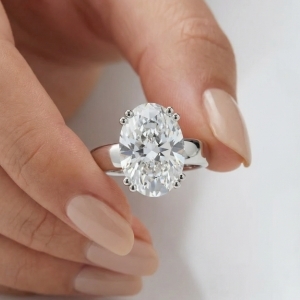 Engagement Rings
 Black Gold
 Tungsten
 Platinum
 Two Tone
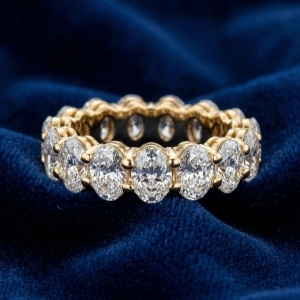 Wedding Rings
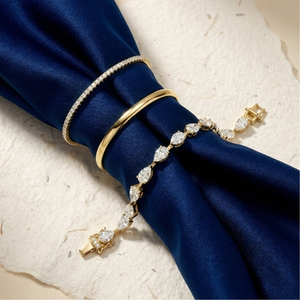 Fine Jewelry
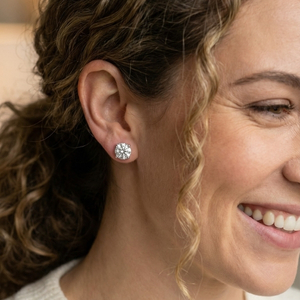 Diamond Studs
 Silver
 Up To 80% Off
 JAN | Garnet
 FEB | Amethyst
 MAR | Aquamarine
 APR | Diamond
 MAY | Emerald
 JUN | Pearl
 JUL | Ruby
 AUG | Peridot
 SEP | Sapphire
 OCT | Opal
 NOV | Citrine
 DEC | Topaz
 Find The Perfect Gift
 Two Tone
How to Choose Bridal Jewelry That Complements Your Engagement Ring
May 9, 2026
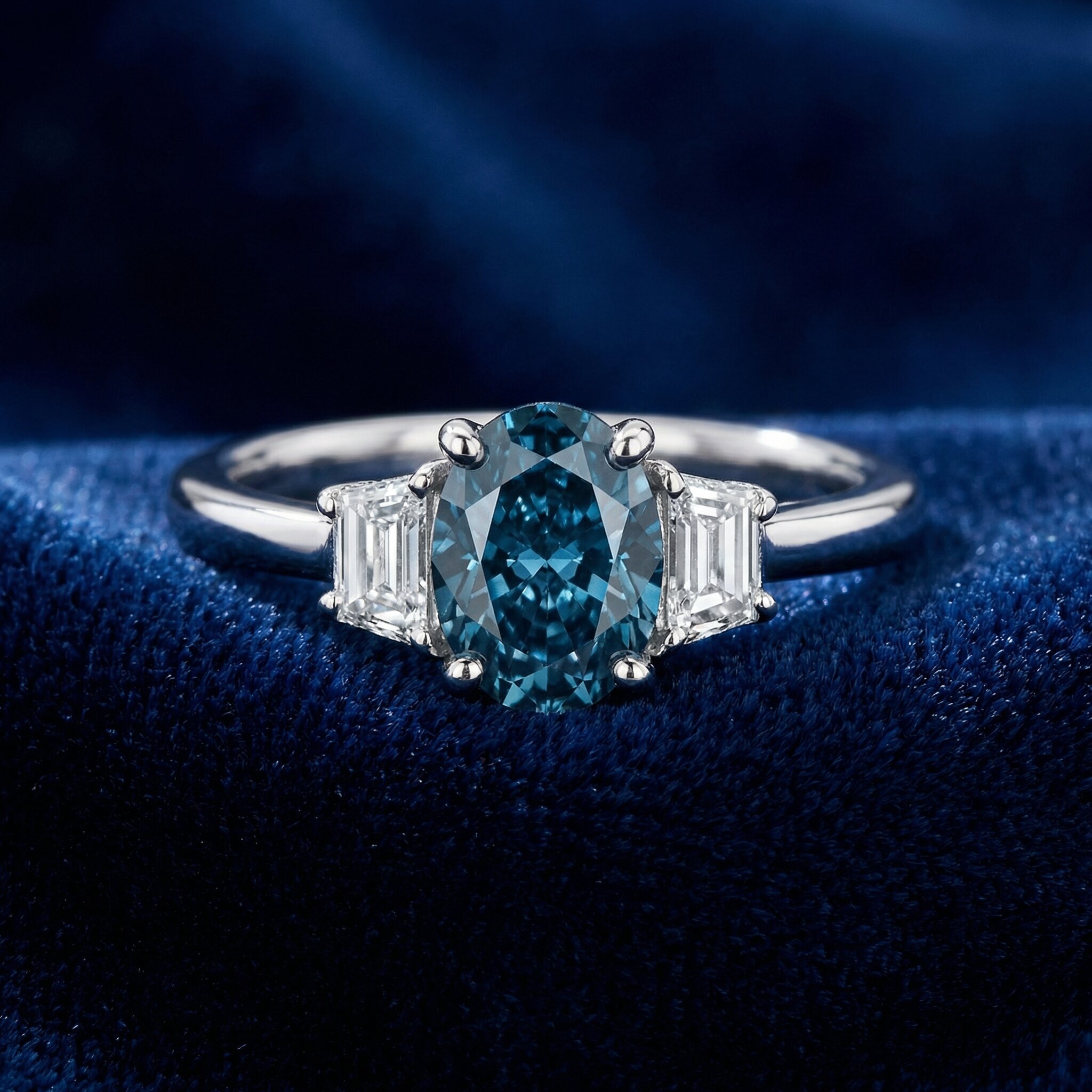
Your engagement ring is the centerpiece. Everything else you wear on your wedding day - and every day after - should work with it, not against it.
Most bridal jewelry advice treats each piece separately: pick a necklace, pick earrings, pick a wedding band. But when you make those choices in isolation, you end up with a look where the pieces don't speak to each other. The right approach is to start with your engagement ring and build outward from there.
Pompeii3 is a family-owned fine diamond jewelry company that designs and sells rings and bridal jewelry directly to customers in the United States. This guide walks you through the complete bridal jewelry picture - how to choose a wedding band that nests perfectly with your ring, which earrings balance your diamond's cut, which necklace works for your neckline, and how to handle mixed metals without the look falling apart.
Start with Your Engagement Ring's Three Key Details
Before choosing any other piece, identify these three things about your engagement ring:
- The metal color. Yellow gold, white gold, rose gold, or platinum. This is the single biggest factor in whether your other jewelry looks coordinated or mismatched.
- The diamond or center stone shape. Round brilliant, oval, princess cut, emerald cut, pear, marquise, cushion, radiant. The shape affects which earring styles balance your face and your ring.
- The setting style. Is it a solitaire, a halo, a pavé-set band, a vintage-inspired design with milgrain, or a sleek minimalist band? Ornate rings call for simpler supporting jewelry. Simpler rings can carry more elaborate accents.
Knowing these three things upfront makes every other decision faster and more confident.
Choosing the Right Wedding Band
The wedding band sits directly against your engagement ring. Getting this right matters more than any other bridal jewelry decision because you'll wear these two rings together every day.
Match or contrast - but do it intentionally
The traditional approach is to match your wedding band's metal exactly to your engagement ring. A yellow gold engagement ring with a yellow gold wedding band. A platinum solitaire with a platinum band. This creates a seamless, classic look and avoids any color clash when the rings are stacked.
The contemporary approach allows mixing metals deliberately - a yellow gold engagement ring with a white gold or platinum band, for example. This can look striking and intentional, but only if the contrast is clean. A subtle yellow gold ring sitting next to a barely different rose gold band often reads as a mistake rather than a choice. If you're going mixed metals, make the contrast obvious enough to look purposeful.
Match the ring's width and weight
A delicate engagement ring with a thin, plain band looks balanced. Pair that same delicate ring with a wide, heavily set eternity band, and the engagement ring gets visually swallowed. The general principle: match the visual weight. Thin and understated engagement rings pair with thin bands. Bold, statement rings can support a more substantial band, or they can be complemented with a simple one that lets them lead.
Consider the fit between the rings
If your engagement ring has a contoured or curved shank, look for a contour wedding band that mirrors that curve and nests flush against it. If your engagement ring sits on a straight band, a straight wedding band stacks cleanly without gaps. A gap between the two rings - even a small one - draws the eye and makes the stack look unfinished.
What if your ring has a very ornate setting?
Rings with intricate side stones, elaborate halos, or strong vintage detailing often look best paired with a plain metal band. The plain band lets the engagement ring be the statement piece. Adding a heavily embellished band to an already ornate ring creates visual noise rather than cohesion.
Choosing Earrings That Balance Your Diamond's Cut
This is the piece of bridal jewelry advice most guides skip entirely. The shape of your center stone has a direct relationship with the earring shapes that look best on you.
Round brilliant diamond
Round diamonds are versatile and balanced. They pair well with almost any earring shape - classic studs, drop earrings, hoops, chandelier styles. If you want to echo the shape, round diamond or pearl studs create a quiet cohesion. If you want contrast, elongated drops or linear earrings provide balance without competing.
Oval diamond
Oval stones are elongated and graceful. They pair particularly well with elongated earring shapes - teardrop drops, linear diamond drops, and slim chandelier styles. Studs can look too small next to an oval's visual presence unless they're substantial in size. Avoid large, round cluster earrings, which compete with the horizontal width of the oval.
Princess cut (square) diamond
Princess cuts have strong, geometric lines. They look clean next to linear drop earrings or simple geometric studs. Soft, romantic earring shapes like floral clusters or baroque pearls can feel like a mismatch with the sharp corners of a princess cut.
Emerald cut diamond
Emerald cuts have a long, rectangular face with a step-cut interior. They carry quiet sophistication. Long chandelier earrings or linear drops extend that elegant vertical energy. Large round ear jackets or stud clusters can feel too different in character.
Pear and marquise diamonds
Both shapes create vertical elongation on the hand. Earrings that echo the tapered tip - like pear-shaped drops or marquise stud accents - create a cohesive look. Alternatively, round or oval studs provide a complementary contrast without competing.
Cushion and radiant cuts
These are romantic, soft-cornered shapes. They pair well with vintage-inspired drop earrings, halo studs, and anything with a slightly romantic character. Stark geometric modern earrings can feel like a style clash.
Choosing a Bridal Necklace (and When to Skip It)
The engagement ring creates a focal point on your hand. Adding a necklace creates a second focal point on your neckline. Whether that's a good thing depends entirely on your neckline and your dress.
The neckline rule
- Strapless and sweetheart necklines: A pendant necklace or a simple diamond drop works well here because the neckline creates a defined open space to fill. Keep the pendant small to medium - the ring is the jewelry hero.
- V-necklines: Echo the V with a pendant that drops to a point. Y-necklaces and solitaire pendants worn on longer chains follow the neckline's direction naturally.
- High necklines and turtlenecks: Skip the necklace entirely. A high neckline already frames the face. Adding a necklace creates clutter. Let your earrings carry the upper jewelry story and let your ring lead.
- Off-shoulder necklines: Statement earrings carry well here. If you want a necklace, keep it minimal and close to the collar.
Match the necklace metal to the ring
If your engagement ring is yellow gold, choose a yellow gold necklace chain or pendant. Wearing a white gold or silver chain against a yellow gold ring on the same day can look uncoordinated, particularly in photographs. On a normal day you have more freedom, but wedding photos are permanent - keep the metals consistent if coordination matters to you.
Consider the ring's stone shape in the pendant
A round diamond solitaire pendant echoes a round engagement ring. An oval pendant echoes an oval engagement ring. This kind of quiet visual rhyme reads as intentional and polished without being too matchy-matchy.
Bracelets and the Case for Restraint
Bracelets compete directly with your engagement ring for attention on your hand. On your wedding day, the ring should win that competition every time.
If you want a bracelet, choose something delicate - a slim diamond tennis bracelet, a fine chain bracelet, or a simple bangle in a metal that matches your ring. Chunky cuffs, statement bracelets with colored stones, and large charm-style pieces pull the eye away from the ring.
On your left hand, a wedding band and engagement ring together already create a full jewelry story. A bracelet on the right wrist provides visual balance without interfering with the ring's presence.
The Mixed Metals Question
Mixing metals in bridal jewelry is not wrong. It has become widely accepted, particularly yellow gold engagement rings worn alongside white gold or platinum wedding bands. But there are some practical guidelines that separate "intentional mixed metals" from "accidentally mismatched."
Rule 1: Repeat each metal at least twice. If you wear a yellow gold engagement ring and a white gold wedding band, add one more piece in each metal - a yellow gold necklace and white gold earrings, for example. Repeating each metal anchors the look and makes the mix feel deliberate.
Rule 2: Avoid three or more metal colors in one outfit. Yellow gold, rose gold, and white gold on the same person on the same day is usually too much. Pick two and work with them.
Rule 3: Keep the metals consistent in each area. Both your rings can mix metals, but your earrings and necklace should coordinate with each other. Mixing metals within your ear and necklace pairing adds a layer of complexity that usually reads as unintentional.
Bridal Jewelry for the Day vs. Every Day After
One conversation worth having before your wedding is which pieces are for the day only and which become part of your daily look.
Most women wear their engagement ring and wedding band every day. The earrings, necklace, and bracelet from the wedding are usually for special occasions. This means your daily bridal jewelry is actually just your ring stack - and that's worth getting exactly right.
For everyday wear after the wedding, a bridal set - an engagement ring and matching wedding band designed together - takes the guesswork out of the daily pairing. Both rings are made to sit flush, match in metal and finish, and wear comfortably together indefinitely.
A Pattern Worth Noting: What Makes Bridal Jewelry Look Cohesive
Brides whose bridal looks photograph best tend to follow one quiet principle: the engagement ring drives every other choice. They don't start with the earrings they love most and work backward. They start with the ring - its metal, its shape, its character - and let that guide the earrings, the necklace, and the band.
The pieces that don't work out are almost always ones chosen independently of the ring. A beloved pair of chandelier earrings that overwhelm a delicate solitaire. A rose gold necklace against a platinum ring. These are easy mistakes to make when each piece is purchased separately and tried together for the first time on the wedding day.
Try the ring combination first. Try it with earrings in the store, or bring photographs of both. If you're ordering online, lay your engagement ring next to the earrings you're considering. The ring should feel like it belongs with the other pieces - not like it's competing with them.
Key Takeaways
Choosing bridal jewelry that complements your engagement ring means using the ring's metal color, diamond shape, and setting style as your guide for every other piece. Match or intentionally contrast your wedding band's metal, and ensure the band's width and visual weight work in proportion with your ring. Choose earrings based on your center stone's shape - elongated stones pair with elongated earrings, geometric cuts pair with structured shapes. Select a necklace based on your dress neckline and match its metal to your ring. When mixing metals, repeat each metal at least twice to make the combination feel deliberate. The ring stack you'll wear every day matters more than the one-day pieces, so get the band pairing right first.
Frequently Asked Questions
Does my wedding band have to match my engagement ring exactly? No. Matching metals is the traditional approach and creates a seamless look, but many women intentionally pair contrasting metals. Yellow gold engagement rings with white gold or platinum wedding bands are a popular combination in 2026. The key is making the contrast obvious enough to read as a choice rather than an accident.
What earrings work best with a halo engagement ring? Halo rings have a romantic, ornate character. Delicate diamond drop earrings, small pearl drops, or vintage-inspired ear jackets coordinate well with the design language of a halo. Very minimalist or stark geometric earrings can feel like a style mismatch. Avoid earrings that are larger or more elaborate than the ring itself - the ring should remain the centerpiece.
Can I wear a necklace with my engagement ring on my wedding day? Yes, but choose based on your neckline. Strapless, sweetheart, and V-neck dresses leave room for a simple pendant or drop necklace. High necklines, crew necks, and boat necks already frame the face and neck - skip the necklace in those cases and let the ring carry the jewelry story. Keep any necklace metal matching your ring's metal.
What is bridal jewelry in the context of an engagement ring? Bridal jewelry refers to the full set of pieces a bride wears on her wedding day alongside her engagement ring - typically a wedding band, earrings, necklace, and sometimes a bracelet. In fine jewelry, a bridal set specifically refers to an engagement ring and matching wedding band sold together and designed to be worn as a pair.
