 Round
 Princess
 Oval
 Cushion
 Emerald
 Marquise
 Pear
 Radiant
 White Gold
 Yellow Gold
 Rose Gold
 Platinum
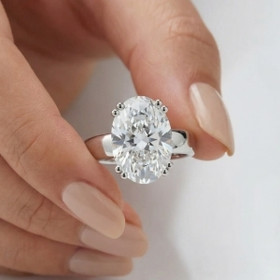 Engagement Rings
 Black Gold
 Tungsten
 Platinum
 Two Tone
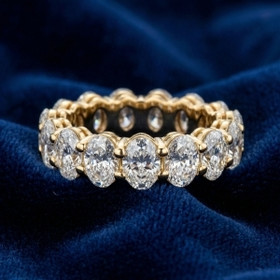 Wedding Rings
 Fine Jewelry
 Diamond Studs
 Silver
 Up To 80% Off
 JAN | Garnet
 FEB | Amethyst
 MAR | Aquamarine
 APR | Diamond
 MAY | Emerald
 JUN | Pearl
 JUL | Ruby
 AUG | Peridot
 SEP | Sapphire
 OCT | Opal
 NOV | Citrine
 DEC | Topaz
 Find The Perfect Gift
Why pompeii3?
Lab Grown
Lab-grown diamond engagement rings contain a diamond grown in a laboratory rather than mined from the earth. It has the same chemical composition, crystal structure, hardness, and optical properties as a mined diamond. The difference in origin is not visible to the naked eye, though it can be identified with specialized gemological instruments. The main practical consideration for buyers is cost.
What Makes a Lab-Grown Diamond
Lab-grown diamonds are produced using high pressure and high temperature (HPHT), which replicates the conditions that form diamonds underground, or chemical vapor deposition (CVD), where carbon atoms are deposited onto a seed crystal in a controlled chamber. The U.S. Federal Trade Commission recognizes lab-grown diamonds as diamonds and requires disclosure of their laboratory origin. IGI and GIA both grade lab-grown diamonds on the same 4Cs criteria used for mined stones.
The price difference is meaningful. Lab-grown diamonds typically sell for significantly less than mined diamonds of comparable quality, giving buyers more flexibility on carat weight, color, and clarity within the same budget.
Understanding the 4Cs
Cut has the greatest effect on how a diamond looks. For round brilliant diamonds, Excellent or Very Good cut grades are the target. Fancy shapes such as oval, cushion, pear, marquise, emerald, and radiant are graded differently; focus on proportions and how evenly light distributes across the stone.
Color runs from D (colorless) to Z (visible tint). G and H grades are near-colorless and represent strong value; F through H is the satisfactory range for most buyers in a white metal setting.
Clarity describes internal inclusions. VS2 and SI1 grades are typically eye-clean in lab-grown diamonds. SI1 can vary by stone, so review the grading report clarity plot before purchasing.
Carat is weight, not physical diameter. Oval, pear, and marquise shapes appear larger face-up than round brilliants of the same carat weight because of their elongated surface area.
Choosing a Setting
The setting defines the ring's look and how the diamond is secured. A solitaire places a single diamond on a plain or tapered band, classic and easy to pair with a wedding band. A halo surrounds the center stone with smaller accent diamonds, adding apparent size and sparkle. A three-stone ring flanks the center stone with two side diamonds. Side stones run accent diamonds along the band at a lower profile. A vintage setting uses decorative metalwork including milgrain edges and filigree. For a custom configuration, Pompeii3's Design A Ring service offers consultations with craftsmen.
Metal Options
Available metals include white gold, yellow gold, rose gold, and platinum. White gold has a cool bright tone suited to near-colorless stones; it is rhodium-plated and requires periodic replating to maintain that finish. Yellow gold is warmer and pairs well with halo and vintage styles. Rose gold offers a warm pink tone that works across most settings. Platinum is naturally white, more wear-resistant than gold, hypoallergenic, and does not require replating; it is typically priced higher than gold options.
Pay-over-time options are available through three providers: Affirm offers 0% APR on its 3-month plan, Klarna offers interest-free payments split across four installments, and Katapult offers a lease-to-own option with no credit requirement. Full terms are on the financing page. All orders include free shipping.
FAQs
Are lab-grown diamonds real diamonds?
Yes. Lab-grown diamonds are chemically, physically, and optically identical to mined diamonds. They are composed of pure carbon arranged in the same crystal lattice structure, and they score a 10 on the Mohs hardness scale. The only difference is origin: lab diamonds are grown in a controlled environment using HPHT or CVD technology. Gemological institutes including GIA and IGI grade lab-grown diamonds using the exact same 4Cs criteria that they apply to mined stones. There is no visual or structural way to distinguish a lab-grown diamond from a mined one without specialized equipment.
How much cheaper are lab-grown diamonds compared to natural diamonds?
Lab-grown diamonds typically cost 50% to 80% less than mined diamonds of equivalent carat weight, color, and clarity. This price gap exists because the supply chain for lab diamonds is shorter and more predictable. At Pompeii3, that cost saving passes directly to you, letting you choose a larger carat weight, higher color grade, or better clarity within the same budget.
What is the difference between lab-grown diamonds and moissanite?
Lab-grown diamonds are pure carbon and are real diamonds in every scientific sense. Moissanite is silicon carbide, a distinct mineral that resembles a diamond but is not one. Moissanite has a higher refractive index, giving it more colorful fire, but it scores 9.25 on the Mohs scale versus diamond's 10 and does not carry the same grading standards. If you want a real diamond at an accessible price, a lab-grown diamond is the right choice.
Which diamond shapes are available for lab-grown engagement rings at Pompeii3?
Pompeii3 offers lab-grown engagement rings in eight shapes: round, princess, oval, cushion, emerald, marquise, pear, and radiant. Round produces strong, even light return due to its brilliant-cut facet structure. Oval, pear, and marquise shapes have a larger face-up surface area per carat than round brilliants, which can make them appear larger at the same weight. Cushion cut has a softer appearance with rounded corners. Emerald cut uses step-cut facets that emphasize clarity and produce a clean, architectural look rather than maximum sparkle.
What carat size should I choose for a lab-grown diamond engagement ring?
The right carat size depends on finger size, preferred setting style, and budget. A common starting range for engagement rings is 1 to 1.5 carats, though preferences vary widely. Because lab-grown diamonds typically sell for significantly less than mined diamonds of equivalent quality, many buyers can choose a larger stone within the same budget. A solitaire setting shows the center stone most clearly; a halo can make a smaller stone appear significantly larger. Pompeii3's virtual appointment service offers one-on-one guidance.
How do I choose a lab-grown diamond engagement ring for my budget?
Start with cut quality, which has the greatest effect on how a diamond looks. G or H color grades are near-colorless and offer better value than the top D-F range. VS2 to SI1 clarity grades are typically eye-clean. Once you have a target on cut, color, and clarity, apply the remaining budget to carat weight. Pay-over-time plans are available: Affirm offers 0% APR on its 3-month option and Klarna offers four interest-free installments. See the financing page for current terms.
What should I consider when choosing a setting for a lab-grown diamond engagement ring?
Three factors matter most: lifestyle, visual preference, and compatibility with a future wedding band. For an active lifestyle, a lower-profile setting keeps the diamond closer to the hand and reduces snagging. A halo setting sits taller and adds visual impact but requires more frequent cleaning. Vintage settings also benefit from more regular care. For stacking with a straight wedding band, a solitaire or three-stone ring pairs most naturally. For a custom configuration, the Design A Ring service offers craftsman consultations.
Are Pompeii3 lab-grown diamonds IGI or GIA certified?
Many Pompeii3 lab-grown diamonds come with an IGI (International Gemological Institute) grading report, the most widely used certification for lab-grown diamonds. IGI-certified listings are clearly marked on product pages. Each IGI report details the stone's cut, color, clarity, carat weight, and growth method (CVD or HPHT), giving you an independent, third-party assessment before you buy. All Pompeii3 lab-grown diamonds also include a Certificate of Authenticity.
What sets lab grown diamond rings apart in your engagement and wedding rings?
Lab-grown diamonds combine ethical sourcing with stunning beauty, making them a perfect choice for those who prioritize both. At Pompeii3, our lab-created diamond engagement rings match the quality of natural diamonds, offering a blend of sustainability and elegance.
How does Pompeii3 ensure ethical sourcing of lab grown rings?
We adhere to strict ethical sourcing standards, ensuring all our lab-grown diamonds are sustainably and responsibly created. This commitment allows you to enjoy your jewelry with the assurance of ethical practices.
Does Pompeii3 offer customization options for lab-created diamond engagement rings?
Yes, we do! We understand that your ring is a personal and significant symbol of your unique love story. That is why we offer customization options to help you create a ring that perfectly reflects your individual style and preference, with a choice of settings, styles, and design details.
What is Pompeii3 policy on returns and warranties for lab-grown diamond jewelry?
At Pompeii3, we stand behind the quality and craftsmanship of our lab-grown engagement rings and jewelry. We offer a 30-day money-back guarantee and a comprehensive warranty for our products.
Lab-grown diamonds are chemically, physically, and optically identical to mined diamonds. The only difference is where they come from. Every stone in our lab-grown engagement ring collection carries the same IGI or GIA certification and is graded on the same 4Cs scale (cut, color, clarity, carat) that applies to earth-mined diamonds.
Our collection spans the most popular engagement ring styles: solitaires, halo rings, three-stone designs, side-stone settings, and vintage-inspired pieces. We carry round brilliant, princess, oval, cushion, pear, and emerald cuts, all available in lab-grown. Settings are offered in 14k and 18k white gold, yellow gold, and rose gold, plus platinum.
Prices start under $500, and our lab-grown diamonds typically cost 50 to 70 percent less than comparable mined stones, meaning you can choose a larger or higher-quality diamond without changing your budget.
Every purchase includes free ring resizing, free shipping, a lifetime warranty against manufacturing defects, a 30-day return window, and financing options. Our team can also assist with custom designs if you have a specific vision in mind.
Are lab-grown diamonds real diamonds?
Yes. Lab-grown diamonds are real diamonds in every measurable sense: same chemical composition (pure carbon), same crystal structure, same optical properties, same hardness (10 on the Mohs scale). They are graded by IGI and GIA on exactly the same 4Cs criteria as mined diamonds. The only difference is origin. One forms over billions of years underground; the other forms in a controlled environment over a matter of weeks.
How much can I save with a lab-grown diamond engagement ring?
Typically 50 to 70 percent compared to a mined diamond of equivalent cut, color, and clarity. In practical terms, a 2-carat lab-grown diamond often costs about what a 1-carat mined diamond costs. That savings can go toward a higher-quality stone, a more elaborate setting, or simply staying within budget.
Do lab-grown diamond rings hold their value?
Like all jewelry, diamond rings (lab-grown or mined) are not investment vehicles in the traditional sense. Lab-grown diamond prices have adjusted downward as production technology has scaled, which is exactly what has made them accessible to so many more buyers. If resale value is your primary concern, work with a jeweler who specializes in estate jewelry. If you are looking for a beautiful, certified diamond at a price that makes sense for your life, lab-grown is a compelling choice.