 Round
Round Princess
 Oval
Oval Cushion
 Emerald
 Marquise
 Pear
Pear Radiant
 White Gold
 Yellow Gold
 Rose Gold
 Platinum
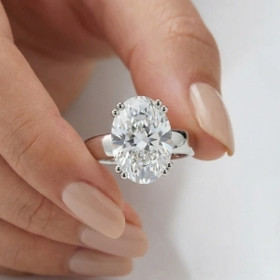 Engagement Rings
 Black Gold
 Tungsten
 Platinum
 Two Tone
 Wedding Rings
 Fine Jewelry
 Diamond Studs
 Silver
 Up To 80% Off
 JAN | Garnet
 FEB | Amethyst
 MAR | Aquamarine
 APR | Diamond
 MAY | Emerald
 JUN | Pearl
 JUL | Ruby
 AUG | Peridot
 SEP | Sapphire
 OCT | Opal
 NOV | Citrine
 DEC | Topaz
 Find The Perfect Gift
Lab-Grown Diamond Resale Value Explained
Posted by Pompeii3 Inc on Oct 7, 2026
Quick Answer: Lab-grown diamonds typically resell for 20 to 40 cents on the dollar compared to their original purchase price. Natural diamonds fare somewhat better but also depreciate significantly. For most buyers, the lower upfront cost of lab-grown diamonds more than compensates for the resale gap.
If you are considering a lab-grown diamond engagement ring, the resale value question is a fair one. The honest answer is not entirely reassuring on this point. But context matters. This guide covers exactly what to expect from lab-grown diamond resale value, why prices have dropped, and how to think about the investment side of buying a diamond ring at Pompeii3.
Why Lab-Grown Diamonds Don't Hold Value Like Natural Diamonds
Lab-grown diamonds are chemically and physically identical to mined diamonds. The difference is supply. Natural diamonds are geologically scarce. Lab-grown diamonds are not. As production technology has improved, the cost to grow a diamond has dropped significantly, and retail prices have followed.
In 2020, a 1-carat lab-grown diamond retailed for around $4,000 to $5,000. By 2024, the same stone could be purchased for $800 to $1,500. That price compression directly affects resale value. When you go to sell a lab-grown diamond, buyers know they can purchase the same quality new for a fraction of what you paid. That makes your stone hard to price competitively on the secondary market.
The resale market for lab-grown diamonds is also thin. Most jewelry resellers and pawn shops either will not buy them or will offer very low amounts. Online platforms like eBay or Facebook Marketplace exist but require significant effort to sell. Major diamond resale platforms like Worthy.com rarely handle lab-grown stones.
How Much Can You Expect to Get?
Resale value on lab-grown diamonds currently runs between 20% and 40% of the original purchase price, depending on carat weight, cut, color, and where you sell. A $1,500 lab-grown diamond might realistically sell for $300 to $600 on the secondary market. The bigger the stone, the harder the resale, because fewer buyers are looking for large lab-grown diamonds at any price.
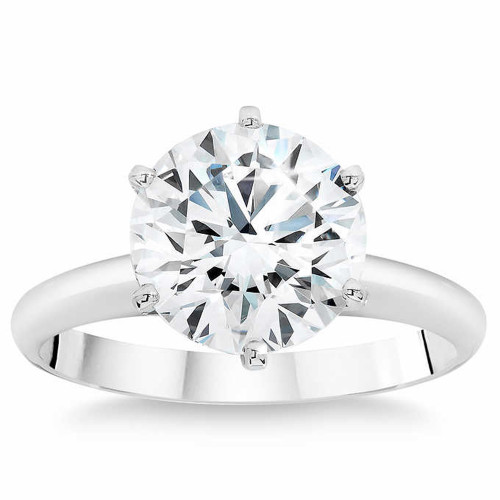
Lab-grown diamond engagement ring. Same brilliance as natural, significantly lower price.
How Natural Diamonds Compare on Resale
Natural diamonds hold value better, but the comparison is often overstated. You will not recoup your full purchase price on a mined diamond either. Retail markups on natural diamonds are significant, and selling back to a jeweler typically yields 25% to 50% of what you paid. The secondary market for natural diamonds is more established, which gives sellers more options, but "holds value" is not the same as "increases in value."
Natural diamonds above 1 carat with strong GIA or AGS certification, excellent cut grades, and high color and clarity grades (D to F, VS1 or better) retain value more reliably. Average-quality natural diamonds follow similar depreciation patterns to lab-grown diamonds over a 5 to 10 year horizon.
Why Resale Value Doesn't Matter for Most Buyers
Here is the part of the conversation that often gets overlooked: most people who buy engagement rings do not sell them. An engagement ring is worn, passed down, or kept. It is not a liquid asset that gets cashed out. Treating it as an investment introduces expectations the diamond market has never reliably delivered on, even for natural stones.
The more practical question is cost per carat. Lab-grown diamonds allow buyers to purchase significantly more stone for the same budget. A $3,000 budget that buys a 0.8-carat natural diamond can buy a 2-carat lab-grown diamond of similar cut and color quality. The visual difference is considerable. If the goal is a beautiful ring that someone will wear every day, lab-grown diamonds offer more ring for the money.
At Pompeii3, the most common reason customers choose lab-grown diamonds is not investment potential. It is the ability to size up without sizing up the budget. That trade-off makes sense for most buyers.
See how far your budget goes with lab-grown diamonds
Explore Lab-Grown CollectionWhen Resale Value Should Factor Into Your Decision
There are legitimate scenarios where resale value matters. If you are purchasing a very large stone, above 3 carats, and there is a realistic chance the ring may be sold in the next 5 to 10 years, natural diamonds provide a more liquid secondary market. If you are buying a diamond primarily as a store of value or as part of estate planning, natural or fancy-colored diamonds from established geological sources are more appropriate.
For the majority of engagement ring buyers, neither of these scenarios applies. The purchase is personal. The ring stays in the family.
What to Do Before You Buy
If resale value is a consideration for you, here are practical steps to take before purchasing:
- Buy only certified stones. GIA or IGI certification on a lab-grown diamond creates a paper trail that helps on resale. Uncertified stones sell for even less.
- Keep your documentation. The original receipt, grading certificate, and any appraisal should be stored somewhere accessible.
- Choose standard shapes. Round brilliant cuts have the broadest secondary market. Fancy shapes like cushion, oval, and pear have narrower buyer pools.
- Do not buy on premium for a lab-grown brand name. The secondary market for lab-grown diamonds does not distinguish between brands.
Frequently Asked Questions
Do lab-grown diamonds lose value over time?
Yes. Lab-grown diamond prices have declined significantly since 2020 as production costs have fallen and supply has increased. The resale value of a lab-grown diamond purchased today is likely to be lower in 5 to 10 years than it is now, following the same trend that has characterized the market since 2019.
Are lab-grown diamonds a good investment?
No. Lab-grown diamonds are not a reliable financial investment. They do not hold or increase in value the way some real estate, stocks, or collectibles might. The appropriate reason to buy a lab-grown diamond is that you want a beautiful stone at a lower price than a comparable natural diamond, not to grow wealth.
Can you sell a lab-grown diamond?
Yes, but options are limited. You can sell on platforms like eBay, Facebook Marketplace, or Craigslist with buyer negotiation expected. Some local jewelers will purchase lab-grown diamonds, though offers will be low. Specialty resale platforms for lab-grown diamonds are still emerging. Expect to receive 20% to 40% of your original purchase price in most cases.
Do lab-grown diamonds appraise for full value?
Insurance appraisals for lab-grown diamonds are typically set at replacement cost, which reflects current retail price, not resale value. This means your appraisal may read higher than what you would actually receive on the secondary market. Confirm with your insurer whether they replace with lab-grown or natural diamonds in the event of a claim, since this affects your coverage decision.
Are lab-grown diamonds worth buying even with low resale value?
For most buyers, yes. The lower purchase price of a lab-grown diamond allows you to buy a larger or higher-quality stone for the same budget. If you are not planning to sell the ring, the resale market is irrelevant to your purchase decision. Pompeii3's lab-grown diamond collection is built around this premise: more diamond, same budget, zero compromise on cut and certification.
Sources and References
- Edahn Golan Diamond Research and Data, "Lab-Grown Diamond Price Trends," 2024
- Gemological Institute of America (GIA), Lab-Grown Diamond Grading Reports
- International Gemological Institute (IGI), Certification Standards for Synthetic Diamonds, 2023
- Worthy.com, Diamond Resale Value Data, accessed 2024
- The Knot, Diamond Buying Trends Report, 2024
More Diamond for Your Budget
Browse Pompeii3's certified lab-grown diamond engagement rings. Same brilliance, same certification, significantly lower price.
Shop Lab-Grown Diamond Rings Browse All Engagement Rings